How to evaluate realistic doll details in product photographs
A close-looking checklist for skin finish, hair, eyes, expression and accessories.
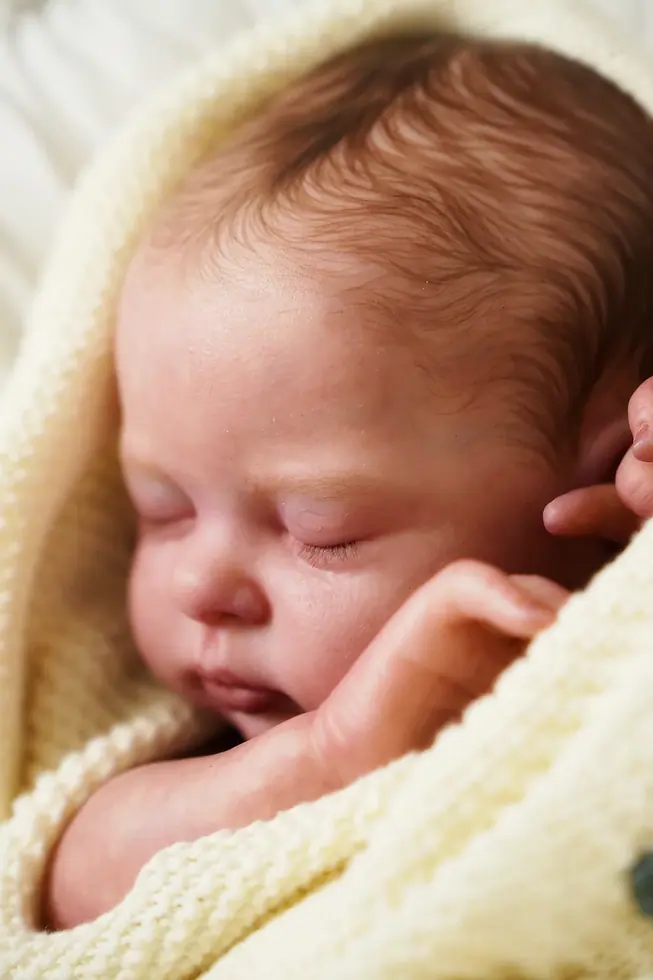
Begin with lighting
Warm studio lighting can make painted skin look smoother and more saturated than it appears in daylight. Look for a mixture of close-ups and wider photographs. If possible, request an unfiltered image against a neutral background. Pictures taken from only one dramatic angle may hide the head profile, hand sculpt or body joints.
Skin tones and sculpting
Inspect transitions around wrists, ankles, fingers and the mouth. Fine veining and mottled effects can add dimension, but the amount of detail should fit your taste. A doll with clean, understated painting may be more appealing than a heavily textured finish. Check whether nails and creases are painted, molded or a combination of both.
Hair and eyes
Rooted hair requires different handling than painted hair or a fitted wig. Ask if hair is hand-rooted, glued or removable and whether it can be gently brushed. Eye colour should be confirmed for the option you are buying; some photographs show variations. For closed-eye models, check the lash line and sleeping expression in side views.
Matching photos to options
Listings sometimes show multiple sizes, outfits or eye colours together. Treat the gallery as a collection of possible configurations until the seller confirms which images match your selected variation. Ask what accessories, clothing, certificates and packaging are included, because displayed props may not be part of the order.
A careful conclusion
Beautiful photography is a useful first impression, not a substitute for a written specification. Our product pages help collect the questions worth asking, while the final configuration is confirmed during your CATDOLL enquiry.
Join the conversation