Artist-made reborn dolls and catalog designs: how to compare
A practical way to evaluate craftsmanship, editions and transparent product claims.
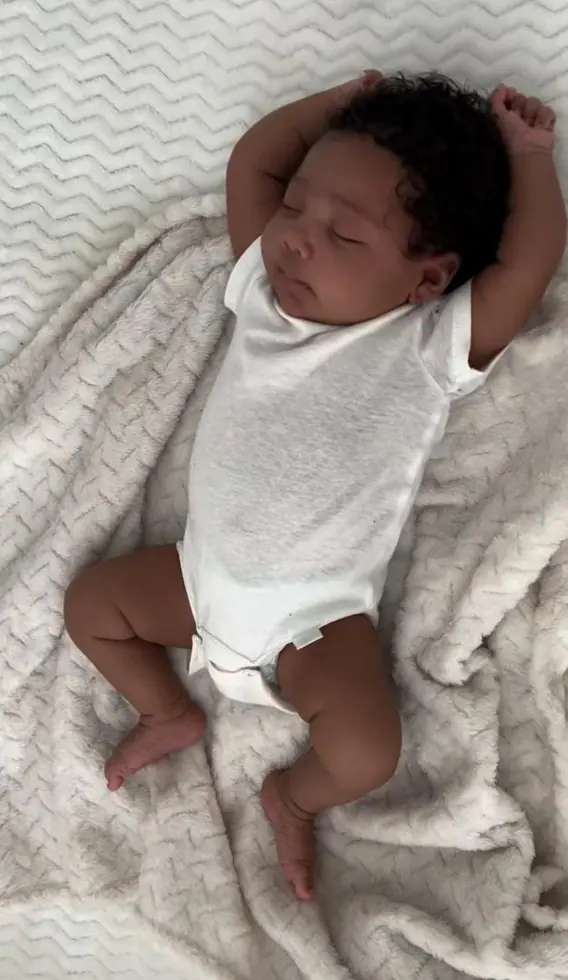
Different kinds of collector appeal
Some collectors seek a one-of-a-kind artist finish, while others value an accessible sculpt or a consistent design offered in several variants. Neither goal is wrong. The important question is what the listing actually promises: the sculpt, material, painting method, finish and edition status.
Evidence for exclusivity
If a doll is described as limited or artist-made, ask who produced the sculpt and painting, what edition information exists and whether documentation accompanies the piece. Do not treat a generic numbered label as proof of provenance. Confirm ownership and any display or resale restrictions when relevant.
Look beyond adjectives
Words such as premium, realistic or handmade are not independently measured standards. Compare actual photographs, close-up finish quality, materials, weight, dimensions, and after-sale support. Ask what parts of production are handmade and which are manufactured.
Value follows your priorities
A higher price does not guarantee that a doll is the right fit for your collection. Artist attribution, finishing labour, materials and rarity may affect cost, while comfort, display space and care complexity influence day-to-day satisfaction.
A responsible review approach
CATDOLL’s catalog notes are specifications-based unless a guide explicitly describes a separate inspection. They aim to help you ask sharper questions without pretending every product has been physically tested. Confirm authenticity and edition details before purchase.
Join the conversation